
Buying a home in Canada is a major investment, so it is important to understand the property's condition before deciding. A house may look appealing on the outside but still have problems with its roof, electrical or plumbing systems, or foundation. A home inspection in Canada helps buyers identify visible signs of damage, estimate potential repair costs, and determine whether a property fits their budget. So, what is a home inspection Canada, how much does it cost, what does the process involve, and what does the checklist include? Let's take a closer look.
1. What Is a Home Inspection in Canada?
A home inspection in Canada is an assessment conducted by a home inspector to evaluate a property's condition before the buyer completes the purchase. The inspection generally focuses on accessible areas and systems, such as the foundation, roof, electrical and plumbing systems, and heating equipment. The goal is not to confirm that a home is perfect, but to help buyers better understand its current condition and identify issues that may need attention after they move in.

After the inspection, buyers typically receive a report documenting the findings, often with photographs or recommendations where appropriate. This report helps buyers determine which issues require prompt repairs, which should be monitored, and which may need further assessment by a specialist.
2. Should You Get a Home Inspection in Canada?
In most cases, buyers should consider getting a home inspection in Canada before completing a purchase. Although the inspection adds to the upfront costs, its findings can help buyers identify potential repairs and avoid making a decision based solely on a property's appearance.
However, a home inspection cannot eliminate every risk associated with buying real estate. There are three important limitations to keep in mind.
- First, not every defect can be detected. Inspectors generally rely on visual assessments and standard inspection methods within the agreed scope of service. Problems hidden inside walls, beneath floors, or in inaccessible areas may not appear in the report.
- Second, some issues require specialized inspections. For example, if there are concerns about radon, asbestos-containing materials, or a septic system, buyers may need to hire specialists for separate assessments.
- Third, the report reflects the property's condition at the time of inspection. New problems may develop, or existing issues may worsen later, particularly those related to weather, moisture, or aging equipment.
3. When Should You Get a Home Inspection Canada?
Knowing when to get a home inspection in Canada is important for allowing enough time to review the report and address any issues before closing. The best time for a home inspection in Canada is generally after you find a property you want to buy but before you complete the transaction. At this stage, you can assess the property's actual condition, identify necessary repairs, and consider the overall costs before taking ownership. If the report reveals significant damage, you may be able to discuss repairs, a price adjustment, or other appropriate arrangements with the seller.
You should also schedule the inspection early enough to review the report, investigate repair costs, and arrange additional assessments if necessary. This is particularly important if the home shows signs of water intrusion, structural cracks, or deteriorating electrical and plumbing systems. These issues may require specialized inspections, and waiting until just before closing can leave you with little time to address them.
In short, arrange the inspection before completing the purchase and as early as practical after agreeing on the relevant purchase conditions. This gives you more time to assess the property's condition, plan your budget, and make an informed decision rather than relying solely on your initial impression.
4. The Home Inspection Process in Canada
The home inspection process in Canada generally involves three main steps.
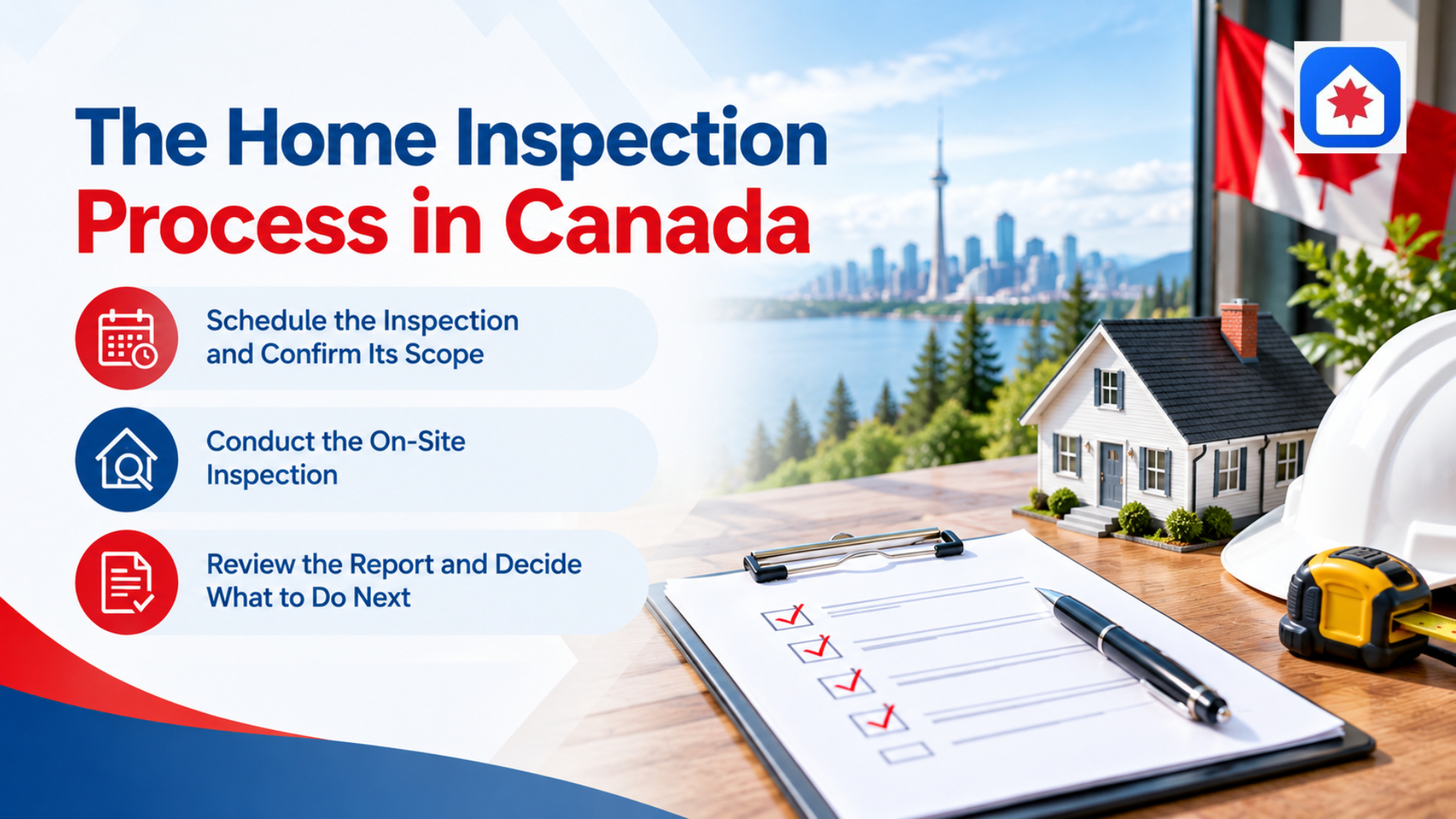
4.1. Step 1. Schedule the Inspection and Confirm Its Scope
Once you have found a home you want to buy, contact an inspector to agree on the inspection date, fee, and scope of service. Provide information about the property type, size, and any issues you noticed during your viewing so the inspector can prepare accordingly. You should also check the deadline for the home inspection condition in your purchase agreement to ensure you have enough time to receive and review the report. When comparing home inspection Canada providers, confirm what is included in the service and whether any additional assessments will cost extra.
4.2. Step 2. Conduct the On-Site Inspection
The inspector will assess accessible areas, including the foundation, roof, electrical and plumbing systems, heating system, windows, and other important components within the agreed scope. If possible, attend the inspection so you can observe any identified issues firsthand and ask questions during the visit. However, do not attempt to inspect hazardous areas or dismantle equipment without the necessary expertise.
4.3. Step 3. Review the Report and Decide What to Do Next
After the inspection, the inspector will provide a report outlining the property's condition, signs of damage, and items that may require monitoring or further assessment. Review the report carefully and prioritize issues involving safety, structural integrity, and the risk of significant damage. If necessary, consult specialists for further evaluations and obtain repair estimates before deciding whether to proceed with the purchase.
5. How Much Does a Home Inspection Cost in Canada?
A home inspection cost Canada typically costs around CAD 400-700 for an average-sized home. Larger homes, older properties, or buildings with complex structures may cost more. The actual fee depends on the property's size, location, and the scope of service. Before booking an inspection, ask the inspector which items are included in the quoted price.
If the inspector identifies signs of significant damage, you may need to hire additional specialists to determine the cause and estimate repair costs. For example, signs of water intrusion or structural cracks may require a more detailed assessment rather than relying solely on a general home inspection report. Therefore, in addition to the initial inspection fee, consider setting aside a budget for supplementary services if needed.
6. Home Inspection Checklist in Canada: Key Areas to Check
A home inspection checklist Canada buyers can use helps identify areas that deserve attention and prepare relevant questions for the inspector. The following checklist covers important parts of a home and signs that may warrant further investigation.
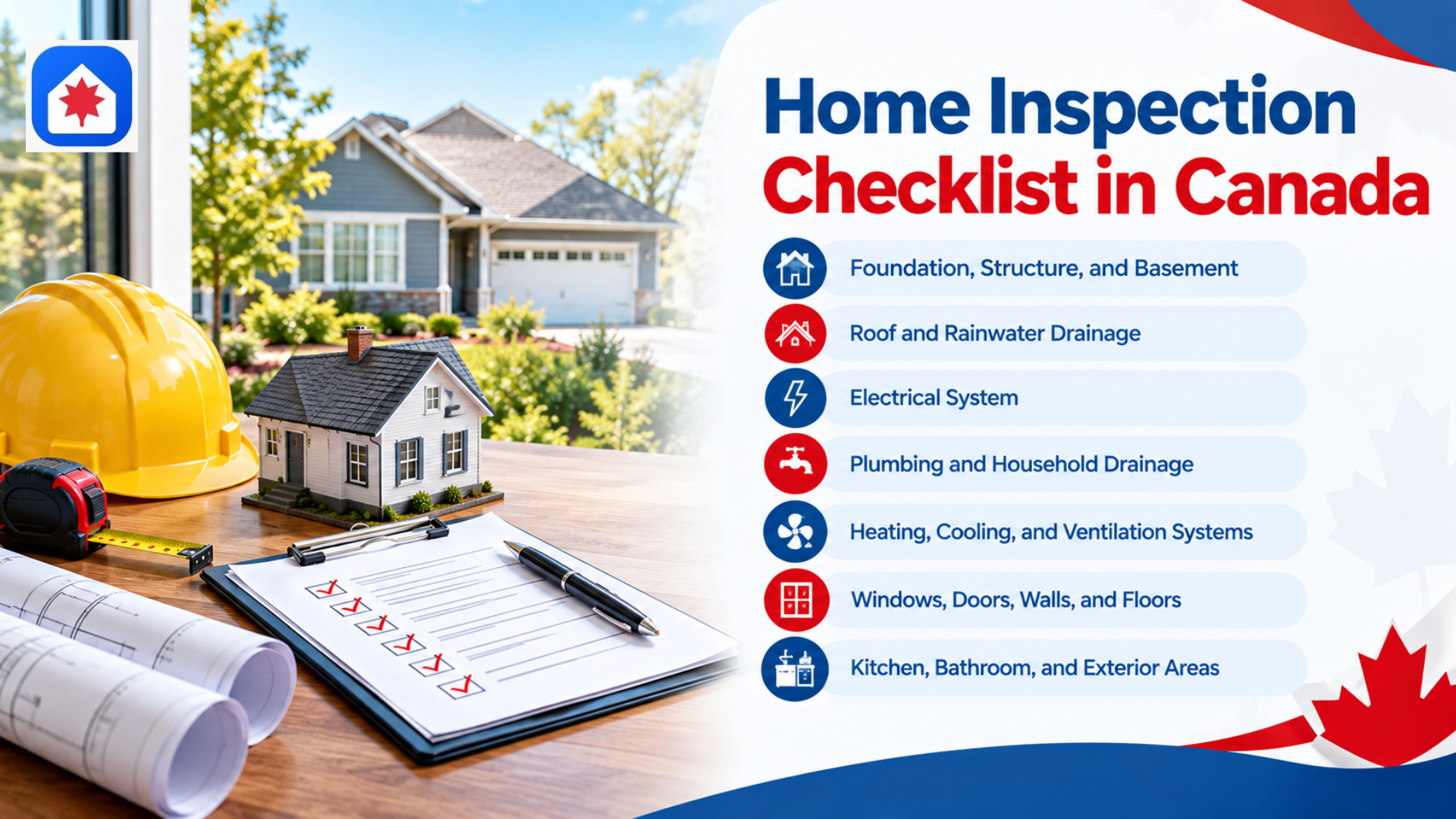
6.1. Foundation, Structure, and Basement
The foundation and structural components determine a home's stability. Problems in these areas can lead to substantial assessment and repair costs, so buyers should pay attention to unusual signs.
Key areas to inspect:
- Cracks in walls or the foundation: Check their location, width, and shape. Large cracks, cracks that appear to be widening, or cracks accompanied by wall deformation require closer assessment.
- Uneven floors: Sloping, sagging, or noticeably uneven floors may indicate a need for further structural evaluation.
- Moisture in the basement: Musty smells, water stains on walls, peeling paint, or swollen materials may indicate current or previous water intrusion.
- Signs of previous repairs: Areas that have been recently patched, repainted, or unusually covered should prompt questions about the cause and repair history.
If several warning signs appear together, ask the inspector to assess the situation and recommend a specialized structural inspection if necessary.
6.2. Roof and Rainwater Drainage
The roof protects a home from rain, snow, and moisture. If the roof or rainwater drainage system has problems, water may seep into ceilings, walls, and interior spaces, potentially causing ongoing damage.
Key areas to inspect:
- Deteriorating roofing materials: Roofing components are damaged, missing, or show obvious signs of wear.
- Stains on ceilings and walls: These may indicate current or previous leaks, and the underlying cause should be investigated.
- Problems with gutters and downspouts: Gutters are clogged or damaged, or rainwater is not being directed away properly.
- Standing water near the foundation: Ground that slopes toward the house or water that regularly collects beside exterior walls may increase the risk of basement water intrusion.
In addition to observing these signs, ask about the roof's age and repair history, if available. This information can help you estimate whether maintenance or replacement may be needed in the near future.
6.3. Electrical System
The electrical system requires careful attention because signs of damage may indicate safety concerns and potentially costly repairs. Buyers can observe accessible components but should not remove outlets, open electrical panels, or touch exposed wiring themselves.
Key areas to inspect:
- Cracked or loose outlets and switches, or visible scorch marks.
- Exposed or visibly damaged electrical wires.
- A burning smell or discoloration near outlets and electrical panels.
- Electrical panels or components showing obvious signs of deterioration.
If you notice any of these signs, ask the inspector to assess them and consult a qualified electrician when necessary. You should also ask about electrical upgrades and review any available repair records. For older homes, information about the system's age and condition can help you determine whether further assessment is needed before purchasing the property.
6.4. Plumbing and Household Drainage
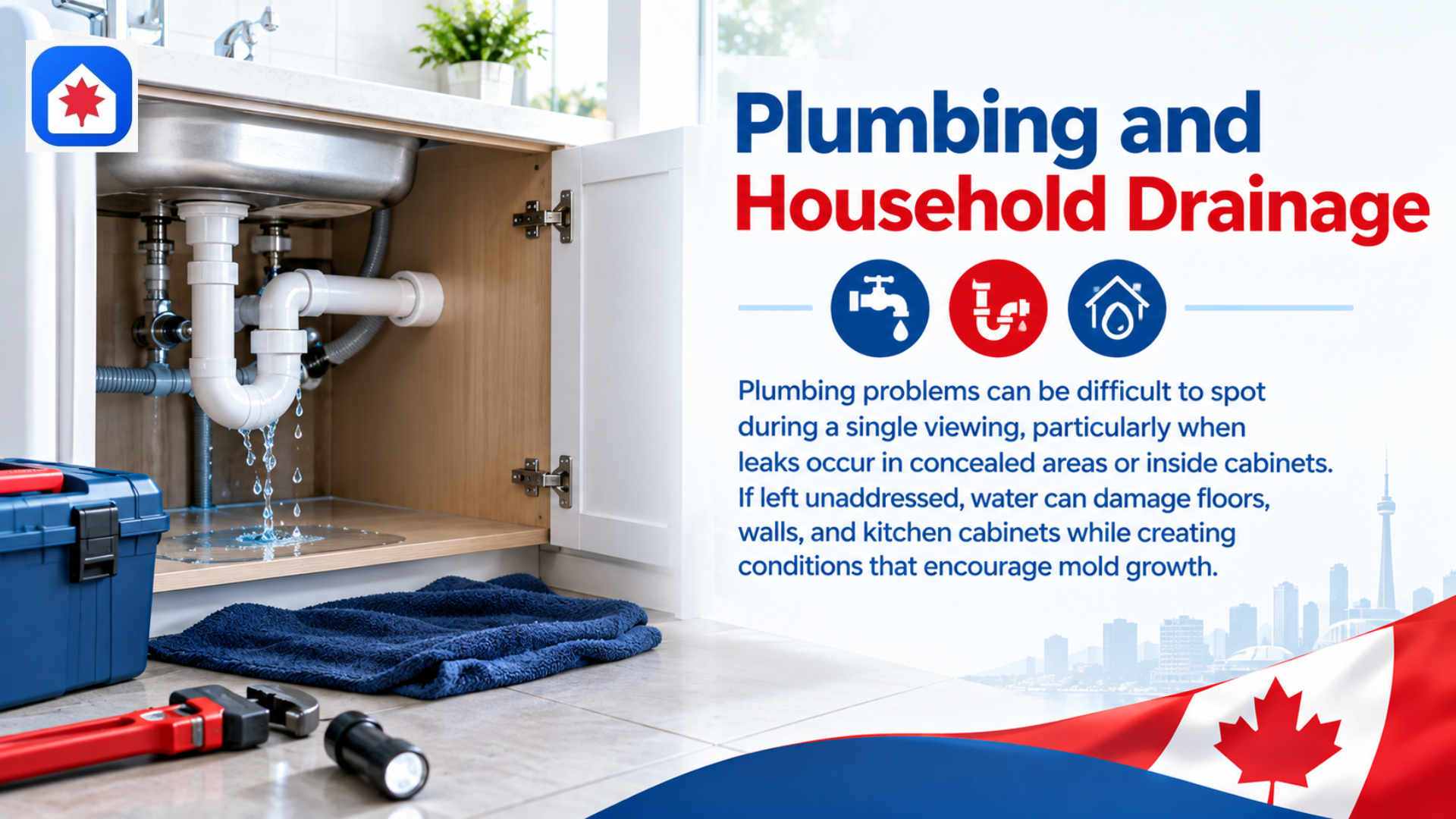
Plumbing problems can be difficult to spot during a single viewing, particularly when leaks occur in concealed areas or inside cabinets. If left unaddressed, water can damage floors, walls, and kitchen cabinets while creating conditions that encourage mold growth.
Key areas to inspect:
- Leaking faucets or pipes.
- Slow drainage in sinks, bathtubs, or showers.
- Unusually low water pressure.
- Water stains, musty smells, or swollen materials beneath sinks.
- Toilets or other plumbing fixtures that do not function properly.
If permitted and appropriate during the inspection, running faucets and flushing certain fixtures may help reveal visible problems. You should also ask about the age of the water heater and pipes, as well as any previous repairs. If you notice significant leaks or unusual drainage problems, investigate the cause and potential repair costs before completing the purchase.
6.5. Heating, Cooling, and Ventilation Systems
In Canada, heating systems play an important role in everyday comfort, especially during winter. Poorly functioning equipment can cause inconvenience and lead to substantial repair or replacement costs.
Key areas to inspect:
- Unusual operating noises: The equipment makes banging, vibrating, or other abnormal sounds when running.
- Inconsistent operation: The heating or cooling system does not operate as expected under the conditions in which it is tested.
- Visible deterioration: Equipment has damaged components or shows obvious signs of wear.
- Missing maintenance records: There are no maintenance records, or the installation date and most recent repairs are unclear.
Ask the seller about the system's maintenance history, installation date, and recent repairs. If you identify a potential problem, consider asking a qualified HVAC technician to assess the system's condition and estimate potential costs.
6.6. Windows, Doors, Walls, and Floors
Windows, doors, walls, and floors affect insulation, comfort, and maintenance costs. In particular, poorly sealed doors and windows can allow heat to escape, forcing the heating system to work harder during cold weather.
Key areas to inspect:
- Doors that are difficult to open or close: Doors stick, locks do not work properly, or door frames show signs of damage.
- Damaged window glass: Glass is cracked, or condensation appears between panes.
- Deteriorating frames: Wooden frames are rotting, materials are damp, or visible damage is present.
- Wall stains or peeling paint: These may be associated with moisture, water intrusion, or other issues that need further investigation.
- Swollen, sloping, or uneven floors: These may result from wear, moisture, or structural problems, depending on the circumstances.
6.7. Kitchen, Bathroom, and Exterior Areas
Kitchens and bathrooms are frequently exposed to water and moisture, while exterior areas can affect safety and drainage around the property.
Key areas to inspect:
- Damaged kitchen cabinets and countertops: Cabinets are swollen, materials are peeling, or countertops show signs of deterioration.
- Kitchen leaks: Water has collected, or moisture is visible beneath sinks, around faucets, or at accessible connections.
- Bathroom problems: There are leaks around toilets, bathtubs, or showers, along with musty smells or swollen materials.
- Unstable steps and railings: Steps are damaged, railings are loose, or other components may pose safety risks.
- Standing water outdoors: Water regularly collects near exterior walls or does not drain away properly.
- Deteriorating exterior components: Balconies, walkways, or other structural elements show signs of damage that require assessment.
If you notice leaks or damp materials, investigate the underlying cause rather than focusing only on surface repairs. For exterior areas, pay particular attention to damage that could affect safety or allow water to enter the home.
7. What Happens After a Home Inspection?
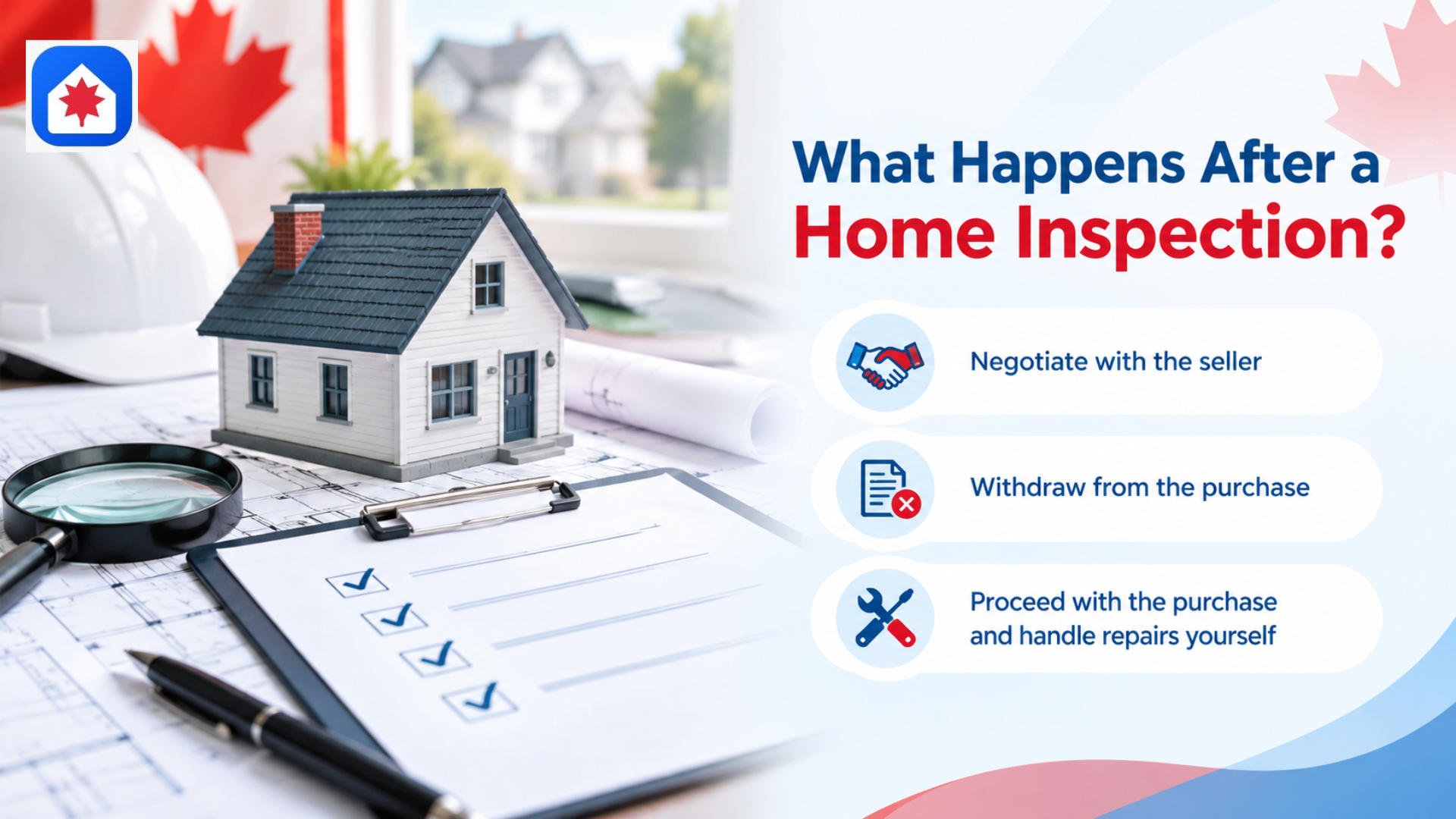
After the inspection, the inspector will provide a report outlining the home's condition and the issues identified. Based on these findings, buyers can consider three possible options:
- Negotiate with the seller: If significant defects are identified, you may ask the seller to complete repairs before possession or negotiate a lower purchase price to account for repair costs.
- Withdraw from the purchase: If the problems are serious or the repair costs exceed your budget, you may consider withdrawing from the transaction if your contract permits it. This right generally depends on the home inspection condition and the terms agreed upon in the purchase agreement.
- Proceed with the purchase and handle repairs yourself: If you accept the property's current condition and have sufficient funds, you can complete the purchase and arrange repairs afterward.
Before deciding, estimate the cost of addressing the most important issues and check the deadlines associated with any conditions in your purchase agreement. This will help you choose an option that fits your budget and reduce the risk of unexpected problems after taking possession.
8. How to Choose a Reliable Home Inspector in Canada
The quality of an inspection depends heavily on the inspector's experience, working methods, and scope of service. When choosing a home inspector Canada buyers can rely on, do not compare prices alone. Consider whether the inspector has the skills and experience to assess the type of property you intend to buy and clearly explain any issues identified.
First, review the inspector's experience and professional credentials. Ask what types of homes they have inspected, which inspection standards they follow, and whether they belong to a professional association such as the Canadian Association of Home & Property Inspectors (CAHPI). You should also check the licensing requirements in the province where the property is located, as regulations may vary by jurisdiction.
Next, request a sample inspection report, if available. A useful report should clearly describe the location and condition of each issue, include photographs where appropriate, and distinguish between items requiring repairs and those needing further assessment. A report that merely lists defects without explaining them or outlining the limitations of the inspection may not provide enough information to support your decision.
Before booking, confirm the service fee, inspection duration, report delivery time, and any additional charges. Ask which areas are excluded from the inspection, whether the inspector carries professional liability insurance, and how you can follow up if you need clarification about the findings.
A suitable inspector does more than identify warning signs. They also help buyers understand which issues should be prioritized, which require further investigation, and when another specialist may be needed. This is essential for turning the inspection report into a useful basis for your home-buying decision.
A home worth buying is not defined solely by its appearance or asking price, but also by its actual condition and the costs that may arise after you take possession. A home inspection Canada helps you better understand potential risks, plan your budget, discuss concerns with the seller, and evaluate your options before completing the transaction. Rather than treating the inspection report as a list of defects to avoid, use it as a basis for determining whether the property suits your needs and financial situation. Combined with a thorough inspection and guidance from an experienced professional, the report can provide the information you need to make a more confident and practical home-buying decision.
Thank you for taking the time to read this article.
For more information, please contact us at CANADAHOMEHUB.